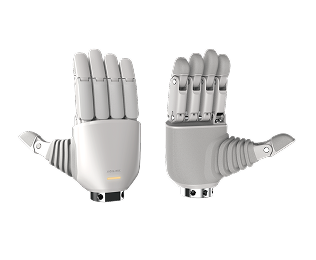
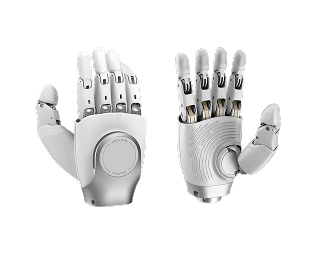
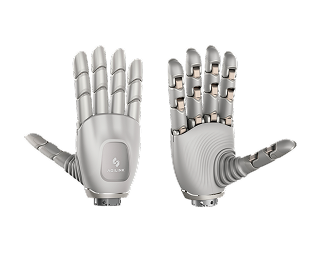
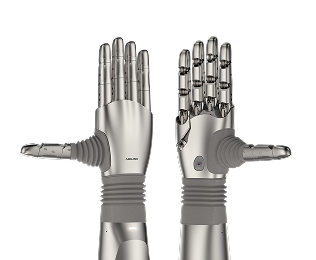
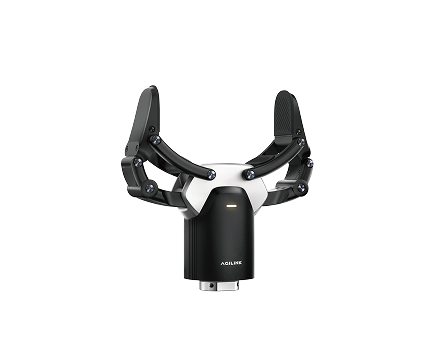

Project Eureka is AGILINK's long-term ecosystem program for developers. The name comes from "Eureka" — I have found it — the moment an idea becomes something you can validate and demo. Built around the OmniHand dexterous hand, the program offers open development resources, structured training, developer challenges, demo co-creation, and industry-academia partnerships — all aimed at helping developers turn ideas into dexterous-manipulation applications that are verifiable, demonstrable, and reusable.
Part 1: Open Development Resources
AGILINK is consolidating everything developers need for OmniHand into a single, continuously maintained resource system — designed to shorten the path from unboxing to integration.
Getting started
Product manual|Unboxing guide|Full spec sheet
⬇️
Development & integration
SDK documentation|API reference|Host-controller guide
⬇️
Going deeper
Sample demos|Developer FAQ|Application case studies
Open-source resources
Part 2: A Developer Growth Path
Documentation alone doesn't make a developer ecosystem. Project Eureka structures the journey as a progression — from learning the product, to hands-on validation, to certified skills and competitive challenges.

Courses. A systematic introduction to OmniHand's capabilities, control fundamentals, and development workflow.
Training camps. Hands-on sessions built around typical manipulation tasks — demo reproduction and functional validation on real hardware, in real scenarios.
Certification. A structured skill-validation and growth pathway spanning coursework, training tasks, and project practice.
Challenges. Open competitions built on real application problems, encouraging developers to produce demonstrable, reusable results.
Part 3: Ecosystem Partnerships
Project Eureka also connects developers with research institutions, laboratories, and industry partners — through technical meetups, campus programs, training camps, challenges, joint demos, and project co-creation — to bring dexterous manipulation into research, teaching, competition, and real-world applications.
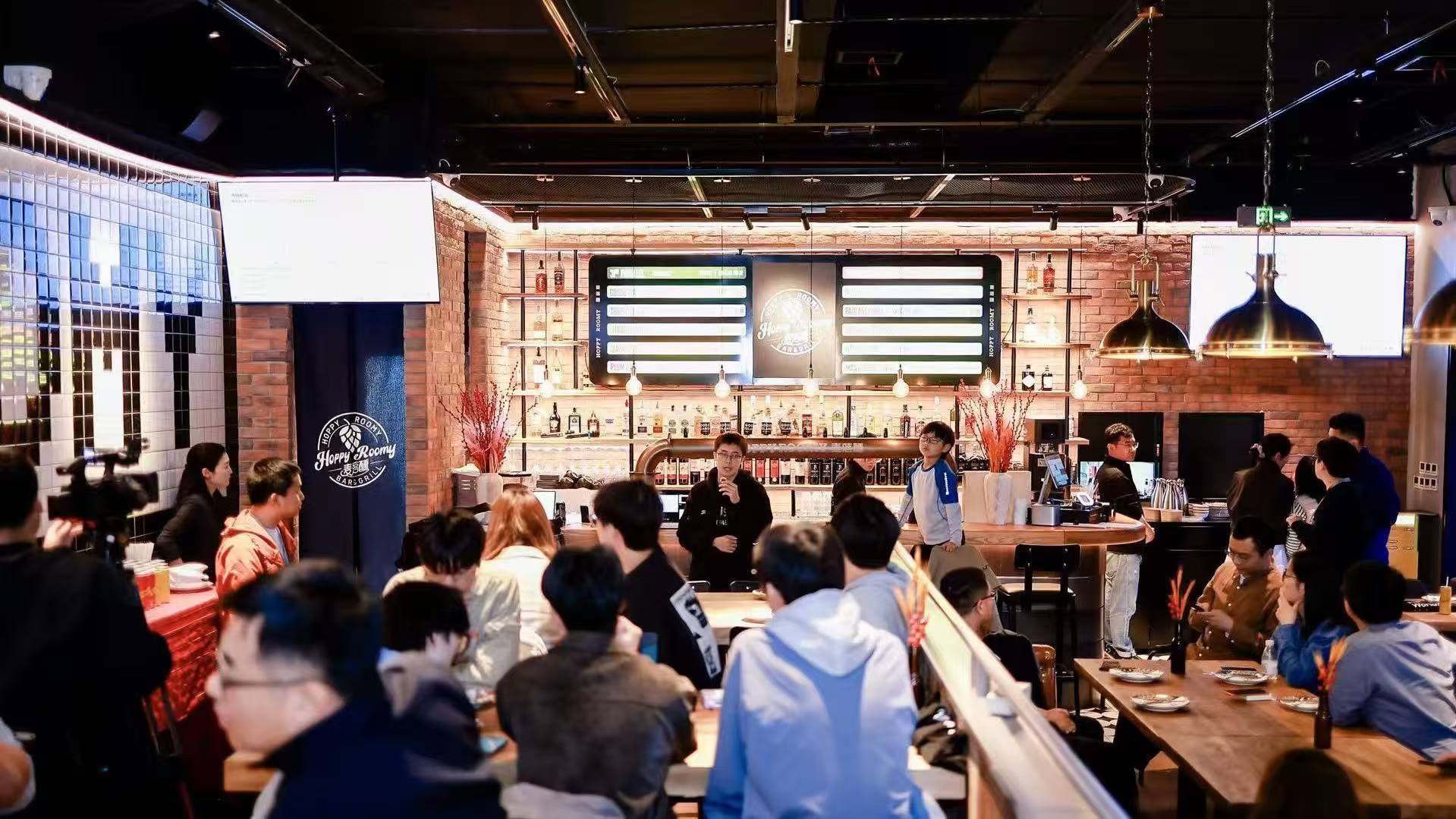
Technical exchange. Online developer communities, technical salons, and knowledge sharing — accumulating practical experience and helping more developers move from interested to hands-on.
Campus programs. Ongoing collaboration with universities, research institutes, and key laboratories — joint courses, research projects, and prototype co-development for research, teaching, and competition.
Ecosystem co-creation. Partnerships with industry, integration, and content partners around joint demos, application case studies, showcases, and joint-lab exploration — moving dexterous manipulation from single-point validation to broader real-world deployment.